Bishop Authority in Early Christianity
How Episcopal Authority Shaped Christian Doctrine, Preserved Church Unity, and Guided Leadership in the Early Centuries From Local Communities to a Unified Church Structure
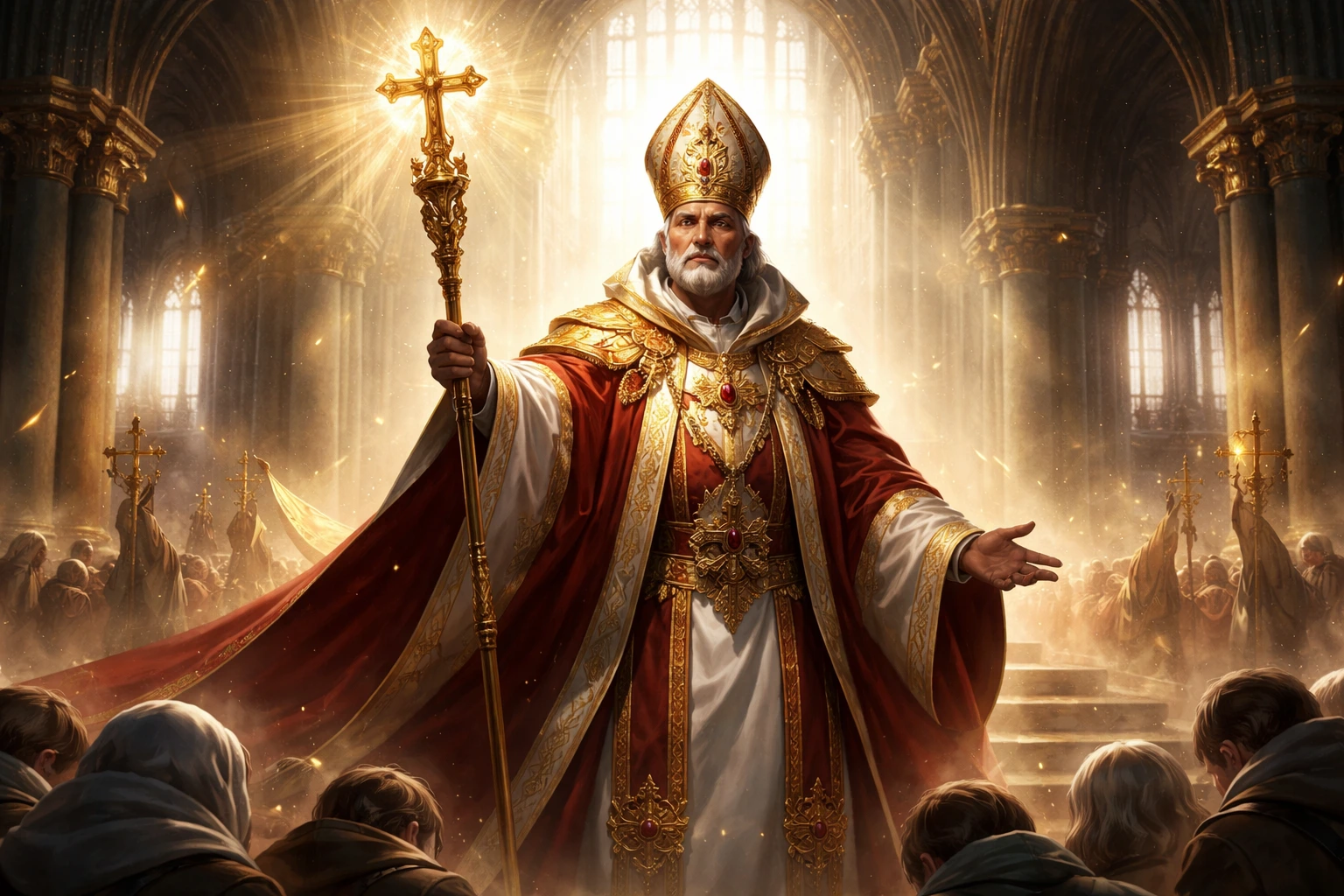
Bishop Authority
How Episcopal Authority Shaped Christian Doctrine, Preserved Church Unity, and Guided Leadership in the Early Centuries
From Local Communities to a Unified Church Structure
Bishop Authority in the Early Church
From Informal Leadership to Structured Oversight
In the earliest period of Christianity, bishop authority developed gradually rather than suddenly. Early Christian communities were small, locally organized, and often isolated from one another. Leadership emerged out of necessity, as communities required guidance in worship, teaching, and moral discipline.
Bishops initially served as local overseers, responsible for maintaining order and ensuring continuity within their congregations. Their authority was practical and pastoral, rooted in service rather than institutional power.
Apostolic Succession and Legitimate Authority
Continuity of Teaching and Spiritual Lineage
A key foundation of bishop authority was the concept of apostolic succession. Bishops were understood to stand in a continuous line of teaching authority passed down from the apostles themselves. This belief gave bishops legitimacy not only as administrators but as authentic transmitters of Christian doctrine.
Through apostolic succession, bishop authority became closely tied to the preservation of authentic teaching. Bishops were expected to safeguard the faith they had received and pass it on without distortion.
Bishop Authority and Doctrinal Conflict
Guarding Orthodoxy in a Time of Division
As Christianity expanded, theological disagreements became increasingly common. Debates over Christ’s nature, salvation, and divine authority threatened the unity of the Church. In response, bishop authority took on a more doctrinal role.
Bishops became guardians of orthodoxy, tasked with identifying acceptable teachings and opposing interpretations that endangered core beliefs. Their role shifted from local guidance to theological defense, shaping how Christianity defined truth and error.
Collective Episcopal Authority
Councils, Consensus, and Shared Responsibility
Rather than granting absolute authority to individual leaders, early Christianity developed a collective model of episcopal authority. Bishops met in synods and councils to resolve disputes that could not be settled locally.
These gatherings emphasized consensus over hierarchy. Authority emerged through discussion, prayer, and agreement among bishops, reinforcing the idea that doctrinal truth was discerned communally rather than imposed unilaterally.
Bishop Authority at the Council of Nicaea
A Unified Voice for the Universal Church
The maturity of bishop authority was most clearly demonstrated at the First Council of Nicaea in 325 AD. Faced with a crisis that threatened Christian unity, bishops from across the Roman Empire convened to address the issue collectively.
Their decisions carried lasting authority precisely because they represented a unified episcopal judgment. The council marked a turning point, establishing bishops as the primary doctrinal authority within Christianity.
The Lasting Legacy of Bishop Authority
Structure, Unity, and Enduring Influence
Bishop authority helped transform Christianity from a loosely connected movement into a stable and organized institution. Bishops became central figures in defining doctrine, regulating worship, ordaining clergy, and maintaining unity across diverse regions.
The legacy of episcopal authority endures in Christian tradition to this day. By grounding leadership in continuity, shared responsibility, and doctrinal clarity, bishop authority shaped the Church’s identity and ensured its survival through centuries of change.